Donating to Science
Donating to Science

Medical researchers consider the human body a treasured gift. For that reason, some people choose to donate their bodies to science upon death.
There’s a wide array of reasons one might choose to donate his or her body to science. Perhaps a deceased woman was a doctor, or a researcher, and believes in the value of medical research on human cadavers. Or perhaps the deceased is uncomfortable with the notion of his body lying buried in the ground. Some feel that they will be helping their family by reducing funeral and burial costs. Others may consider donating the body a better choice than having it memorialized in a religious ceremony.
If a person has decided to donate his or her body, he or she should file paperwork with a donor program prior to death. These “donor requests” can be rescinded with a written request should the person change his mind. Some institutions will accept donated bodies without prior notice; others won’t. Therefore, it’s best to get in touch early with the institution you’d like to work with, to make sure your wishes can be carried out.
Donor programs are most commonly run by medical schools, who will often have staff members who specialize in handling the donation of a body. Rules and regulations vary by state and by institution — another reason to find out early what your intended donor requires.
In general, donor programs take in the body very soon after death. Without the appropriate paperwork, receipt of the body may be delayed or even declined. For this reason, most donor institutions recommend that the family have an alternate plan for funeral and burial arrangements. It’s simply too upsetting to find out a body isn’t eligible for donation, then have to scramble for a new arrangement.
As with many aspects of death and dying, a person contemplating anatomical donation should have some honest conversations with trusted family members. This decision may not be easy to accept, and addressing it during a time of peace is much healthier than waiting until death seems imminent.
A family member should notify the donor program immediately upon the person’s death. From that point, the donor program will pick up the body, embalm it to preserve it until the time of use, and will ultimately handle its cremation or return for burial after research has been completed. Institutions have varying standards on how and when the body will be used, but the time frame is generally less than two years. Typical uses range from general anatomical study to the development of surgical procedures.
There are a few major caveats for anyone considering donating his body to science:
- Certain causes of death preclude an anatomical donation. Again, rules may vary, but these ailments often prevent a body from being accepted for donation: HIV and AIDS, hepatitis B or C, syphilis, kidney failure, certain severe infections, or extensive trauma.
- If you have previously donated an organ, you may not be eligible to donate your body. This is because most researchers prefer to study the full body.
- If the body is either extremely obese or extremely emaciated, it may be rejected.
- Some institutions will decline the donation if the deceased person’s next of kin objects.
For some families, the donation of the body means the end of the proceedings. However, others may still choose to follow many of the rites and rituals of a more traditional funeral. It’s worth talking to a trusted clergy member or funeral director to see what the rules are for your culture or faith. In the past, leaders of Jewish, Catholic and Protestant communities have all voiced acceptance of anatomical donations, but again, rules may vary, and you don’t want to leave your loved ones with an unexpected battle.
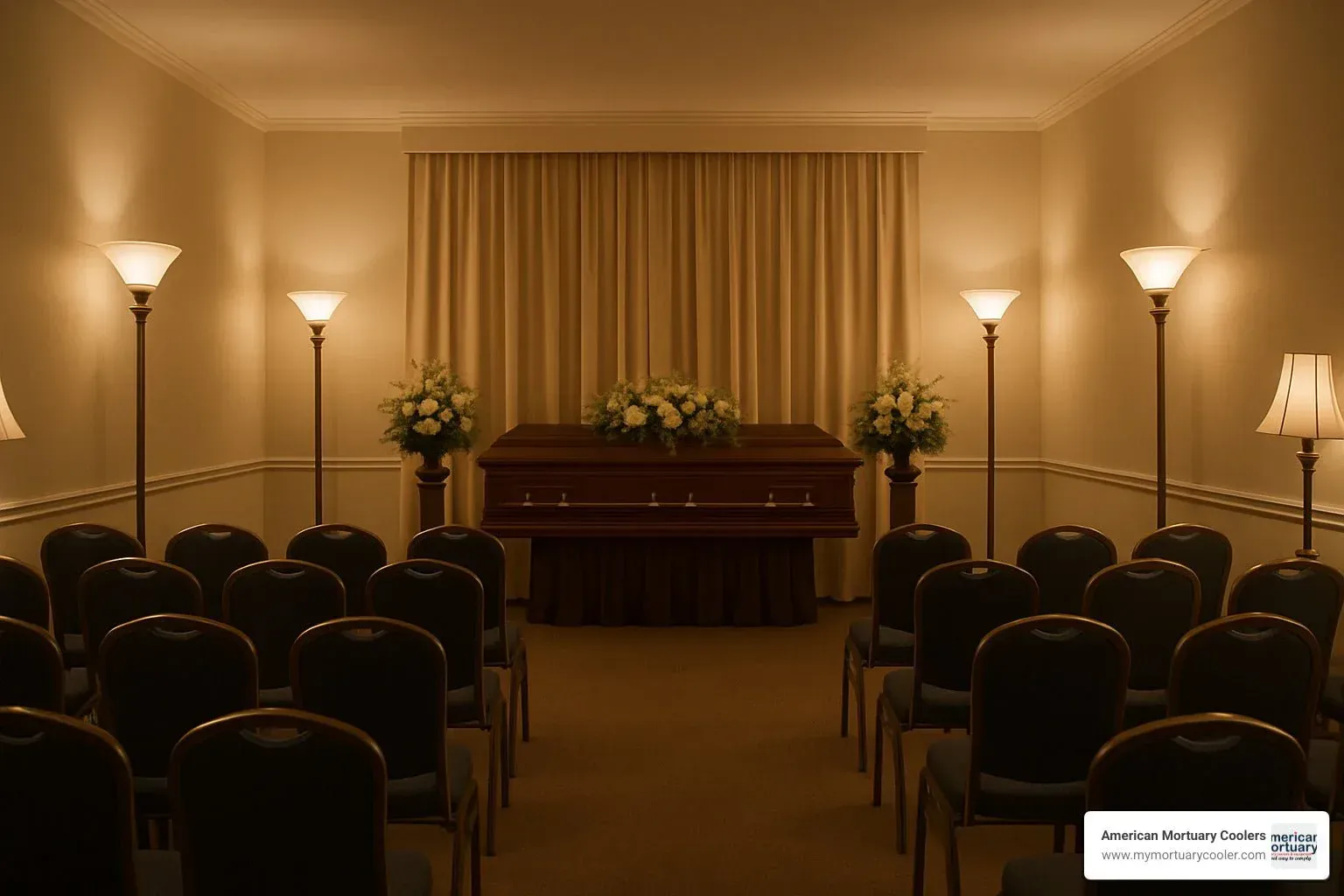
If your family plans a service, some mourners may be confused by the absence of a body. You may want to deputize a few friends or family members to let people know that the deceased person has donated his or her body.
If a church’s rules prohibit holding a ceremony when a body is not present, the family may choose a private memorial or life celebration. Funeral professionals can help with this type of service. In addition, many medical institutions hold their own services to thank families and honor those who have chosen to donate their bodies to science.